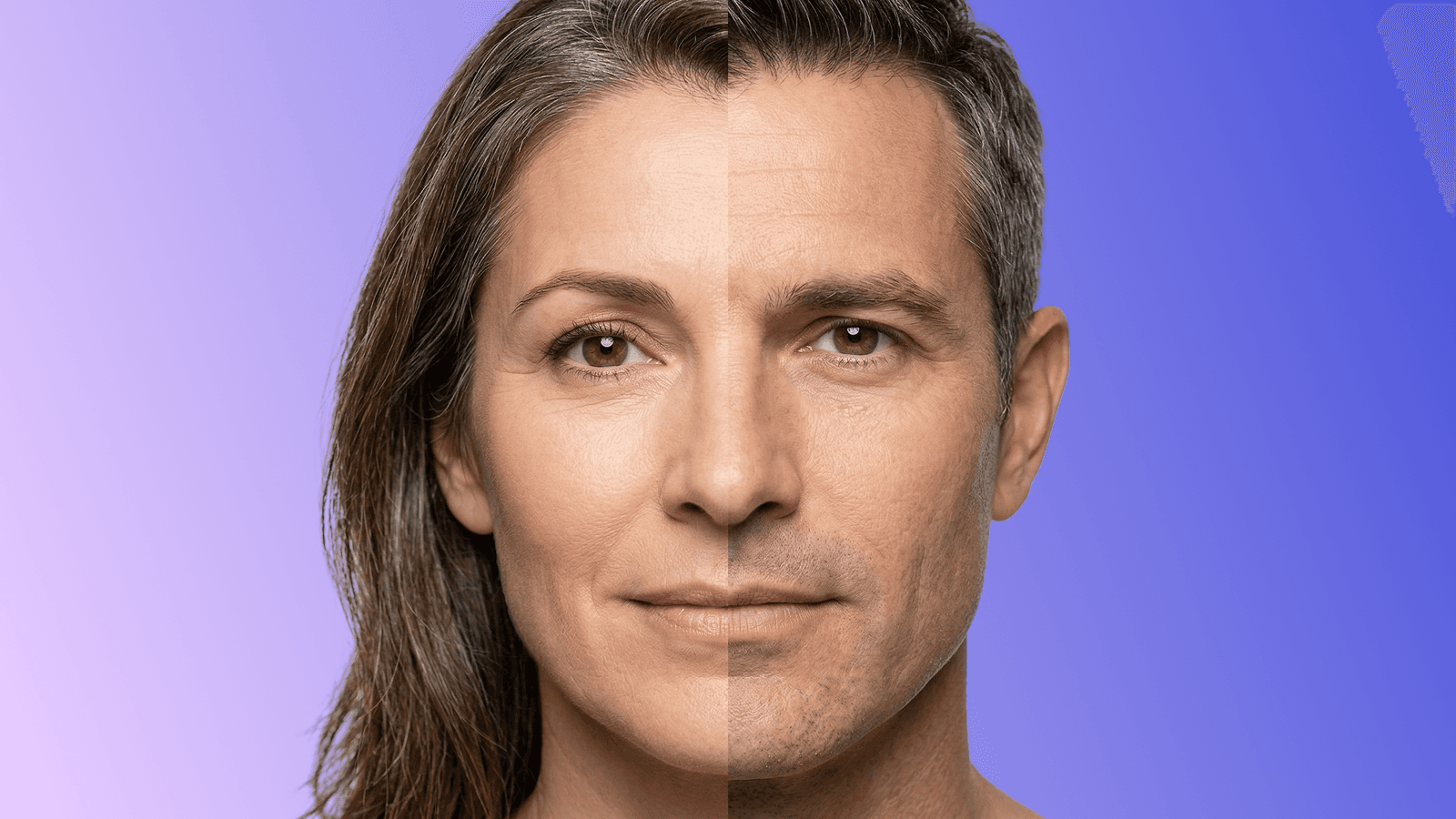
Why one recipe does not work for everyone, and why modern medicine must consider gender much more carefully.
Men and women become ill differently. They perceive symptoms differently, seek help at different times and respond differently to treatment. Medicine has long tried to provide universal answers. Yet one thing is becoming increasingly clear: health is also a question of sex and gender.
This was highlighted by Prof. Gertraud (Turu) Stadler at the Tagesspiegel Health Forum on March 5, 2026. Stadler is Professor of gender-sensitive prevention research at Charite Berlin and leads the Gender in Medicine unit. Her talk showed how strongly biology, social roles and daily habits interact, and why prevention often reaches its limits without a gender perspective.
More than biology: the difference between sex and gender
Stadler explained, based on a model by Mauvais-Jarvis et al. (The Lancet, 2020), the two dimensions of sex and gender in medicine. Sex describes the biological dimension: chromosomes, sex hormones and physiological traits. These influence which diseases and pathophysiologies emerge, how symptoms present and how patients respond to treatment.
Gender refers to the social layer shaped by society: health behavior, access to resources, nutrition, physical activity and stress exposure. Gender influences how diseases are perceived, whether and when help is sought, how healthcare decisions are made and, ultimately, treatment success.
Crucially, both dimensions cannot be separated. They influence each other through epigenetic mechanisms. Social factors such as chronic stress or dietary habits can alter biological pathways. At the same time, behavior of patients and healthcare professionals is shaped by both dimensions.
How much disease burden is preventable?
Stadler presented data from the Global Burden of Disease Report (IHME, 2025) for Germany, broken down by sex and gender. The central question was: How much disease burden can be explained by behavior, metabolic parameters and environmental factors?
The result is clear: for men it is 48.5%, for women 42.0%. Risk factors explain a larger share of disease burden in men than in women. Core factors such as nutrition, movement, smoking, overweight, hypertension, blood lipids and environmental exposure do not act in isolation, but in complex overlaps. Behavioral and metabolic factors amplify each other: poor diet and low physical activity increase overweight, which in turn drives hypertension and metabolic disorders.
This means: a substantial part of disease burden is preventable when prevention strategies are better tailored to specific target groups.
Why prevention fails for different reasons in men and women
A particularly important part of the talk focused on gender-specific barriers to prevention. Based on two studies (Teo et al., Social Science & Medicine; Robertson et al., Obesity Research & Clinical Practice), Stadler showed that men and women fail in prevention for very different reasons.
In men, studies often show:
- Lower risk perception
- Difficulties in integrating prevention visits into daily life
- Health programs are perceived as unattractive or not masculine
- Overweight is more often perceived as normal
In women, barriers are often different:
- Family obligations and care work can become major barriers
- Insufficient physical activity is more common, often not due to lack of knowledge but due to lack of opportunity
Another key insight: single-gender groups are often preferred. Programs where men work with men or women with women can reduce barriers and increase effectiveness.
The future: personalized medicine instead of one-size treatment
Stadler closed with a clear outlook. The traditional medical model, one treatment for everyone with the same diagnosis, means some patients benefit, others do not respond and others experience unwanted side effects.
Personalized medicine follows a different approach: through targeted diagnostics, for example blood tests, DNA, urine and tissue analyses, therapies can be tailored to the individual. Sex and gender are central, yet often overlooked, building blocks.
If we want precision medicine, we must include sex and gender as fundamental variables, alongside genomics and biomarkers.
What this means for us
Prevention does not follow a one-size-fits-all model. Barriers work in opposite directions: men often do not attend prevention visits, women often cannot find time for them. That requires different approaches instead of universal programs.
A gender-sensitive perspective makes medicine fairer and more effective. This applies to research, healthcare systems and every person wondering why a health program does not fit their real life.
Sources
- Mauvais-Jarvis, F. et al. (2020). Sex and gender: modifiers of health, disease, and medicine. The Lancet, 396(10250), 565-582.
- Teo, C.H. et al. (2016). Barriers and facilitators to health screening in men: A systematic review. Social Science & Medicine.
- Global Burden of Disease Data 2025, Institute for Health Metrics and Evaluation (IHME).
- Talk by Prof. Gertraud (Turu) Stadler, Tagesspiegel Health Forum, March 5, 2026.